Traditional Building Envelope Systems Cannot Fully Protect Data Centers
Extending from below grade to the rooftop, the building envelope system delivers a data center’s first line of defense by forming a six-sided barrier that blocks wind, rain, and uncontrolled air leakage. In theory, this multilayered system should safeguard critical infrastructure. In reality, it often falls short.
Despite meticulously-designed building envelope systems, 85% of commercial buildings experience water damage that threatens assets and operations, according to the EPA Commercial Building Assessment. Department of Energy research claims 90% of moisture intrusion originates from breaches in the building envelope.
Why? Because nature never stops testing these defenses. Catastrophic storms and relentless cycles of heat, wind, and precipitation exploit the smallest vulnerabilities. Water eventually enters and migrates laterally through cracks, while condensation becomes trapped between layers.
It’s no wonder building envelope failures generate 80% of callbacks even though the system accounts for only 1.8% of construction budgets, according to an Australian Institute of Waterproofing study.
Once moisture penetrates the building envelope, it often spreads undetected for extended periods, endangering equipment and personnel. In fact, 59% of buildings with water damage show no active leaks, making detection and remediation even more challenging.
How Data Centers Can Build a Better Defense
The building envelope is designed to function as a cohesive enclosure that separates outdoor and indoor conditions. It comprises multiple layers of products, each with a specific role in combatting moisture intrusion. For the system to perform as intended, all components must transition seamlessly into one another—without gaps, incompatibilities, or breakdowns.
Architects carefully select each product based on climate conditions, building design requirements, and construction materials. Understanding where and why moisture enters a secured facility is critical to strengthening defenses and avoiding the fate most commercial buildings face.
This blog examines product-related issues that prevent building envelopes from delivering long-term waterproofing protection and how those issues can be mitigated.
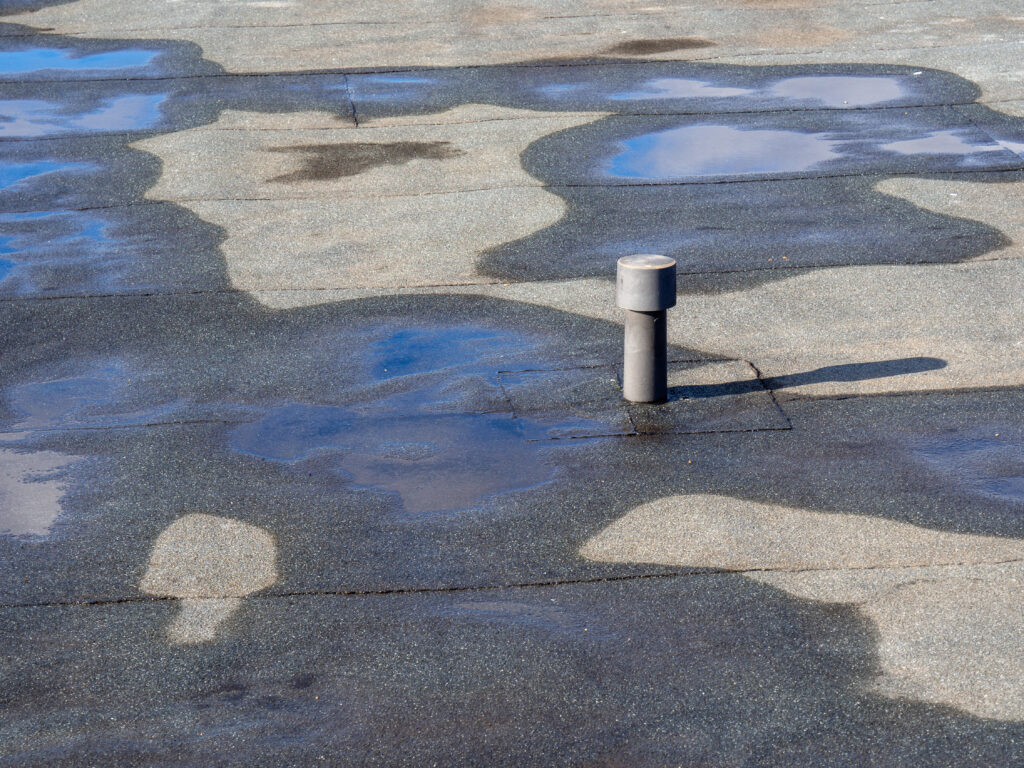
Identifying the Causes Behind Waterproofing Failures
It’s important to remember that moisture intrusion does not originate solely from precipitation. Humidity, groundwater, surface water, and even sewer water can infiltrate the building envelope. That’s why data centers require seamlessly integrated waterproofing solutions that extend continuously from below grade to the roof and perimeter edge metal.
Product selection decisions often compromise the waterproofing system. Specifications are generally written one section at a time with each section identifying products to meet the section’s specific performance requirements.
For example, one section specifies below-grade waterproofing products for the foundation, another the exterior weather-resistive barriers (WRBs) to protect the walls, and another for the roofing system. Making these decisions without considering how each system will tie-in to one another exacerbates the risks of breaches in critical tie-ins.
In addition, contractors may select components with similar specifications, unaware how mixing products from different manufacturers could introduce compatibility problems and performance gaps. If the systems don’t form a continuous barrier at connection points, they allow moisture intrusion and reduce energy efficiency through uncontrolled air leakage.
A Building Envelope System Compatibility Warranty eliminates compatibility risks and ensures true continuity across all six sides of the building envelope.

While multivendor building envelope products may share similar purposes and specifications, that does not mean they behave the same way on the project.
Chemical Incompatibility
One product’s chemical composition can interfere with the performance of adjacent products. This happens when a product’s raw materials cause an adverse reaction when interacting with another building envelope product during or after the installation. For example, waterproofing membranes or flashings that contain asphalt can compromise the roof system because rubberized asphalt or asphalt-based products are not compatible with many single-ply roofing membranes, such as PVC.
Even products not traditionally considered asphalt-based can cause problems. Pandemic-related raw material shortages prompted many manufacturers to alter product formulations, which increased chemical compatibility issues. Builders began reporting cases where sealants and flashing historically promoted for use with asphalt were no longer chemically compatible. The chemical changes in the sealant made it incompatible with the flashing, leading to discoloration or even liquifying the asphalt.
Products that initially appear chemically compatible can have adverse effects when exposed to extreme temperature changes, degrading the building envelope’s effectiveness. A Design Services Team can help avoid unforeseen challenges by conducting a project specific design review, saving time and money while promoting long-term building envelope performance.
Therefore, it is critical to ensure compatibility among all roofing materials, flashings, sealants, and air and vapor barriers (AVBs). The project team should review the entire building envelope system, including transition assembly and accessories. Remember multivendor products that appear compatible when installed can malfunction when seasons change. For example, sealants that were historically promoted for use with asphalt may be no longer chemically compatible, leading to discoloration or even liquifying the asphalt when temperature shifts.
Compatibility is especially critical for below-grade and blindside waterproofing systems, where post-construction repairs are significantly more difficult. These systems must be fully bonded to prevent lateral water migration. Failures in adhesion behind cladding or below grade underscore the importance of using products designed to work together.
Manufacturers typically test how their building envelope products interact but not how they work another manufacturer’s products.
Without written confirmation of compatibility, builders expose data centers to unnecessary risk. Using the same manufacturer at critical below grade-to-wall and roof-to-wall tie-ins provides confidence that the roofing, air barriers, waterproofing, sealants, and flashings will improve the building envelope’s long-term performance amid climate changes and potentially qualify for a critical tie-in compatibility warranty.
Because single-source building envelope products are designed and tested as a system, they function as intended, preventing malfunctions, adverse reactions, and hidden failures.
Adhesive Compatibility
Adhesion compatibility ensures that materials such as membranes, sealants, insulation, and flashing bond securely without any negative chemical reactions.
Strong adhesion is essential for creating durable, airtight, and watertight connections. Without it, products can peel away, stain surfaces, and create gaps for moisture and air to enter. Adhesion must also hold when building materials expand and contract.
For example, waterproofing membranes must bond to a wide range of substrates, including concrete, shotcrete, steel, wood, and CMU. Remember, not all adhesives work with all substrates. Some membranes will not bond properly, sealants may fail with certain primers, and joint tapes can peel away. Adhesion failures can also cause adjacent products to falter while compromising the overall envelope system.
Architects often specify primers, tapes, and reinforcing mesh to address these challenges, but compatibility between a substrate and a membrane does not guarantee long-term adhesion.
To reduce risk, design and construction teams must require compatibility documentation for mixed systems and ensure products—including approved alternatives—are tested. Using products from a single manufacturer often simplifies this process.
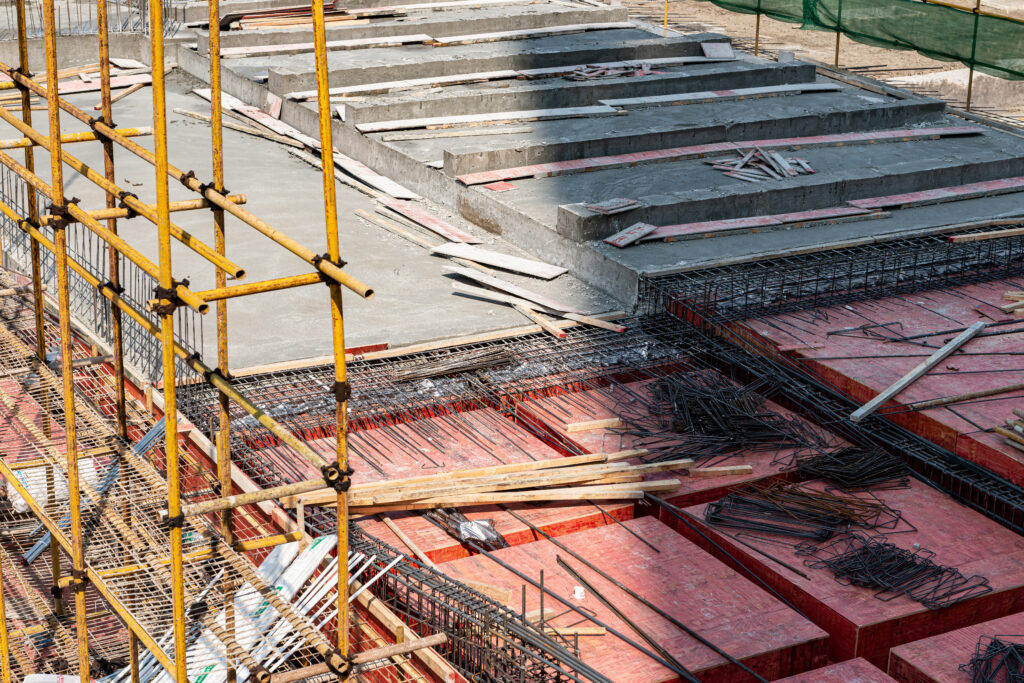
Transitions and tie-ins in construction make the building envelope vulnerable to failure. Since these junctures occur when different materials or systems meet, they can create cracks and gaps that let moisture enter, spread, and erode data center systems. Common examples include:
- Below slab-to-foundation wall
- Below grade waterproofing-to-below grade insulation
- Foundation wall-to-above grade wall
- Above grade wall-to-wall insulation
- Above grade wall-to-architectural metal panels
- Above grade wall-to-roofing
- Roofing-to-perimeter edge metal
Michael T. Kubal notes in the Construction Waterproofing Handbook, 90% of all leaks occur in just 1% of the building envelope, primarily at junctures, transitions, and terminations of building envelope components.
The challenge lies in complexity. Intersecting planes, varied substrates, and intricate geometries can prove difficult to detail in the field. In addition, differences in material properties, such as rigidity, flexibility, and thermal expansion, stress seams and overlaps over time. As the building settles and vibrates, it incurs minor discontinuities that create pathways for air and moisture infiltration.
The Risk of Mixing Products from Multiple Manufacturers
Product incompatibility causes many transition failures. Combining materials from different manufacturers can introduce chemical and adhesion issues, inconsistent performance, and conflicting installation requirements. Products that appear compatible but are not tested together increase the risk of seal failure and leaks. This fragmented approach also creates coordination challenges. Multiple manufacturers mean multiple technical contacts, installation instructions, and warranty limitations.
Traditional building envelope systems rely on multiple trades, materials, and manufacturers, creating countless seams, transitions, and handoffs. Every interface is a potential failure point.
Specifying a Building Envelope System Compatibility Warranty significantly reduces the risk of moisture intrusion and building envelope failures by ensuring all components are designed, tested, and validated to work together. Transition materials, membranes, sealants, and accessories are engineered for chemical compatibility and coordinated performance, delivering seamless continuity across the entire envelope.
Specifying systems from Carlisle that qualify for a Building Envelope System Compatibility Warranty offer data center projects:
- Verified System Compatibility and Continuity Across All Six Sides
A unified barrier resists water migration and condensation. Pre-tested assemblies maintain performance across critical junctions, eliminating guesswork at transitions and tie-ins.
- Simplified Design and Installation
One manufacturer, one system, one warranty. Reduce coordination issues and ensure every layer works well together. - Proven Performance and Accountability
With a single-source approach, responsibility is clear. You’re not managing multiple vendors, you’re partnering with one expert committed to protecting your data center.
By addressing the most failure-prone areas of the building envelope with cohesive, compatible solutions, a single-source approach helps protect data centers from moisture and weather damage, promoting long-term durability where failure is simply not an option.
Carlisle designs and implements comprehensive building envelope systems to ensure watertight performance. For example, using advanced, redundant roof assemblies and building envelope products built with industry-leading materials and proven membranes, Carlisle systems are designed to withstand wind, rain, UV exposure, and extreme heat, while reinforcing weak points that often lead to failure.
Don’t leave your critical infrastructure exposed to the weaknesses of fragmented systems. Specify a Building Envelope System Compatibility Warranty for your next project and ensure seamless protection from below grade to the rooftop.
Contact us today to learn how our integrated waterproofing system and Design Services Teams can safeguard your data center for decades to come.
One system. One warranty. One partner. Complete confidence.
Built with the
Brands You Trust